

75-minute counseling sessions for couples, roommates, friends, or other pairs, offered in the Ballard neighborhood of Seattle, or via telehealth.
Times used to be better between the two of you. There was an ease: much could be communicated with just a look, or a word, or a touch. Maybe that easy period lasted a few months, or for many decades. Either way, it’s not the same. You’re on edge. You’re not sure where to step next, and even if you pick somewhere that looks good now…it might be disaster later.
Married but feeling like roommates? Roommates standing on opposing sides of battle lines? Or perhaps pondering polyamory? While there are a multitude of pairings that form an adult relationship, the underlying needs and complexities are very similar: Are you there for me? Do I matter to you? Will you come when I need you, when I call?

And, just like the parings, there are a multitude of reasons why a pair, or dyad, might pursue relationship counseling. Maybe you and your bestie had a brilliant idea to start a podcast together, but, in practice, things have gotten a little tricky between you two. Or maybe this is a change in your relationship: you’ve added (or lost) someone (a child, a partner, a pet), the kids have all flown the nest, or someone just retired and you haven’t spent time together in decades. Or you’ve chose to spend the rest of your lives together/are about to get married, and want to make sure tough topics are covered before committing to forever.
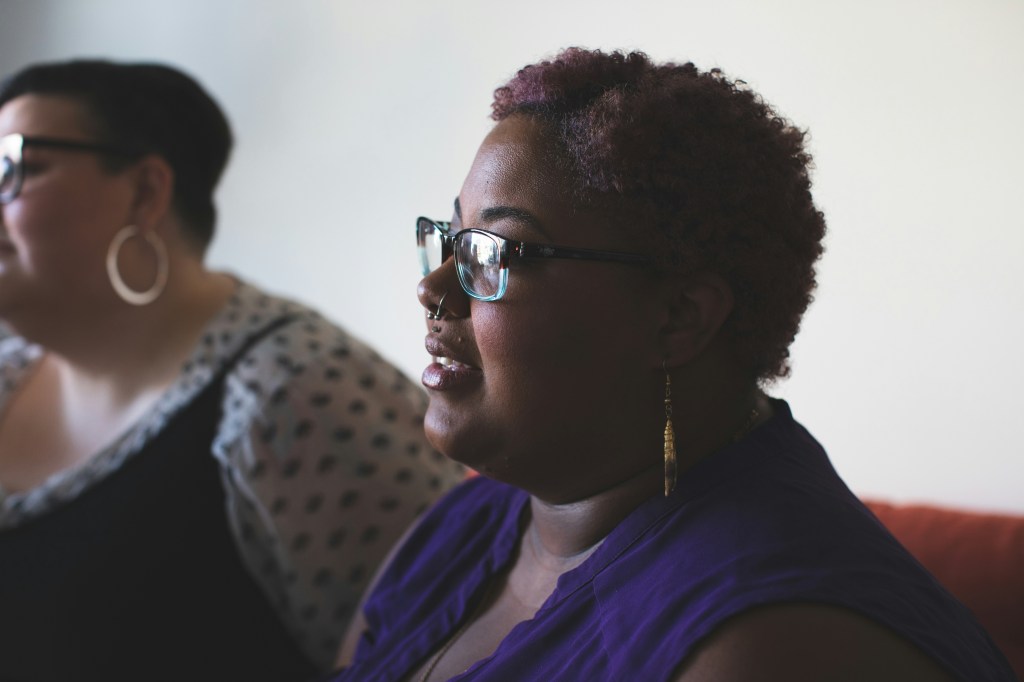
Roommates, friendships, business partnerships, marriages, and every adult relationship in between all have something in common: two people trying to do something together. Whether that’s co-existing peacefully, sharing life or experiences, raising kids or pets, or trying to work toward a common goal, there’s always room for love and joy, as well as hurt and misunderstanding. And the lens through which I view relationship counseling (Emotionally Focused Therapy) says hurt and misunderstanding comes when attachment needs are overlooked or dropped.
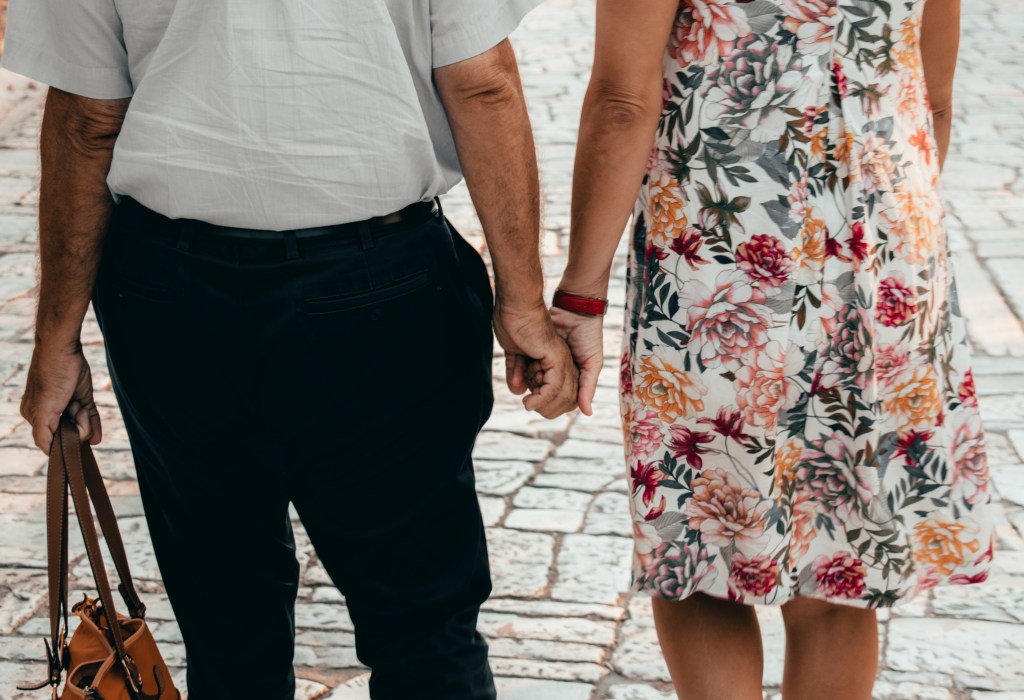
What’s it like in session?
By discovering those attachment needs in session together, then experiencing sharing those needs with an attuned other, and then having the attuned other respond to those needs, we create what’s called a corrective experience. The therapist helps the pair identify negative cycles, or common patterns of interaction that lead to hurt and pain, then choreographs an experience in session in which the attachment needs are attended to. This corrective experience creates a new pattern of interaction in the relationship which continues outside of session, creating new ways of being in the world together. This creates healing.

I am an integrative Relational-Cultural (RCT) therapist, which is the fancy way of saying that I believe that human beings grow through relationships with others, and that I draw from other therapy modalities based on your needs and goals.
In my practice, I draw from:
- Emotionally Focused Individual (EFIT), Couple (EFCT), or Family (EFFT) Therapy (I am trained and recognized by ICEEFT as an EFIT and EFCT Therapist)
- Dialectical Behavior Therapy (DBT) or Radically-Open Dialectical Behavior Therapy (RO-DBT)
- Acceptance and Commitment Therapy (ACT)
- Parts work (similar to internal family systems, or IFS)
- Somatic-based practices
- Existential Therapy
- Strengths-Based Therapy
- Motivational Interviewing
I show up authentically in session, meaning you’re getting me, Cait, the full person. I, of course, have filters and boundaries, and adhere to professional ethics, but you’re also going to get the full human. Sometimes I swear. I make mistakes, and will do my best to repair any rupture with you. I use humor. I sit cross-legged in my chair. I fidget.
